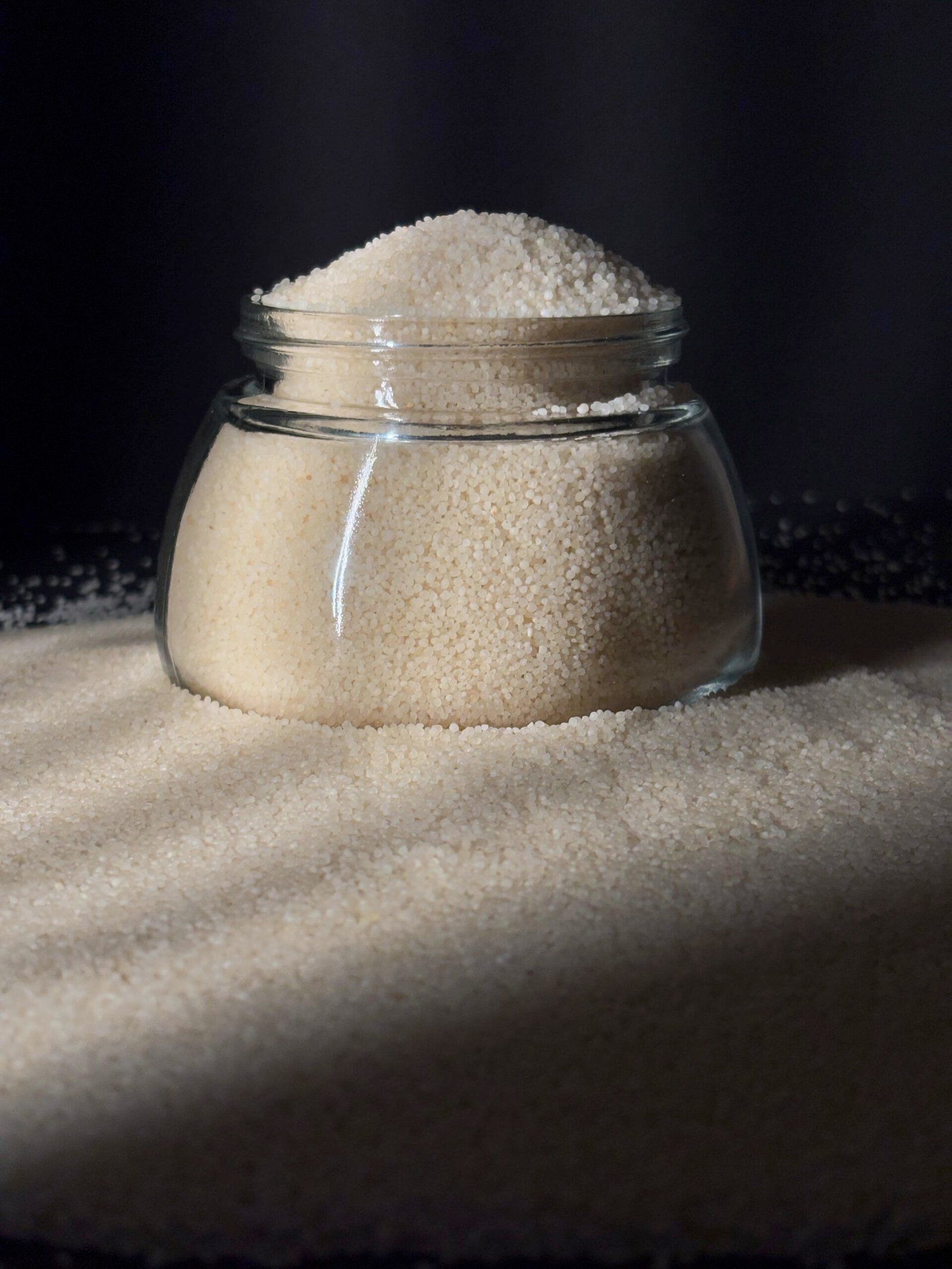
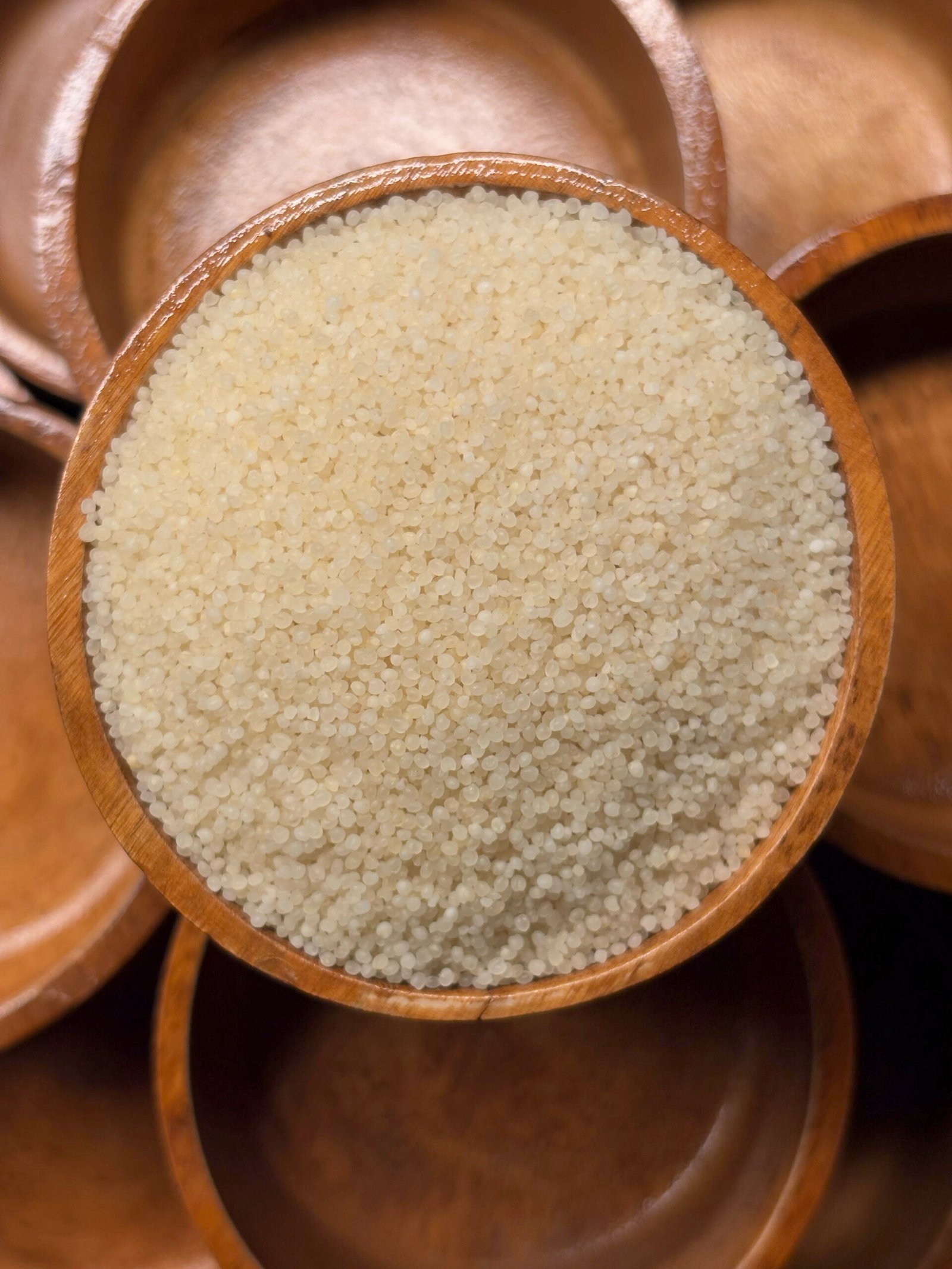
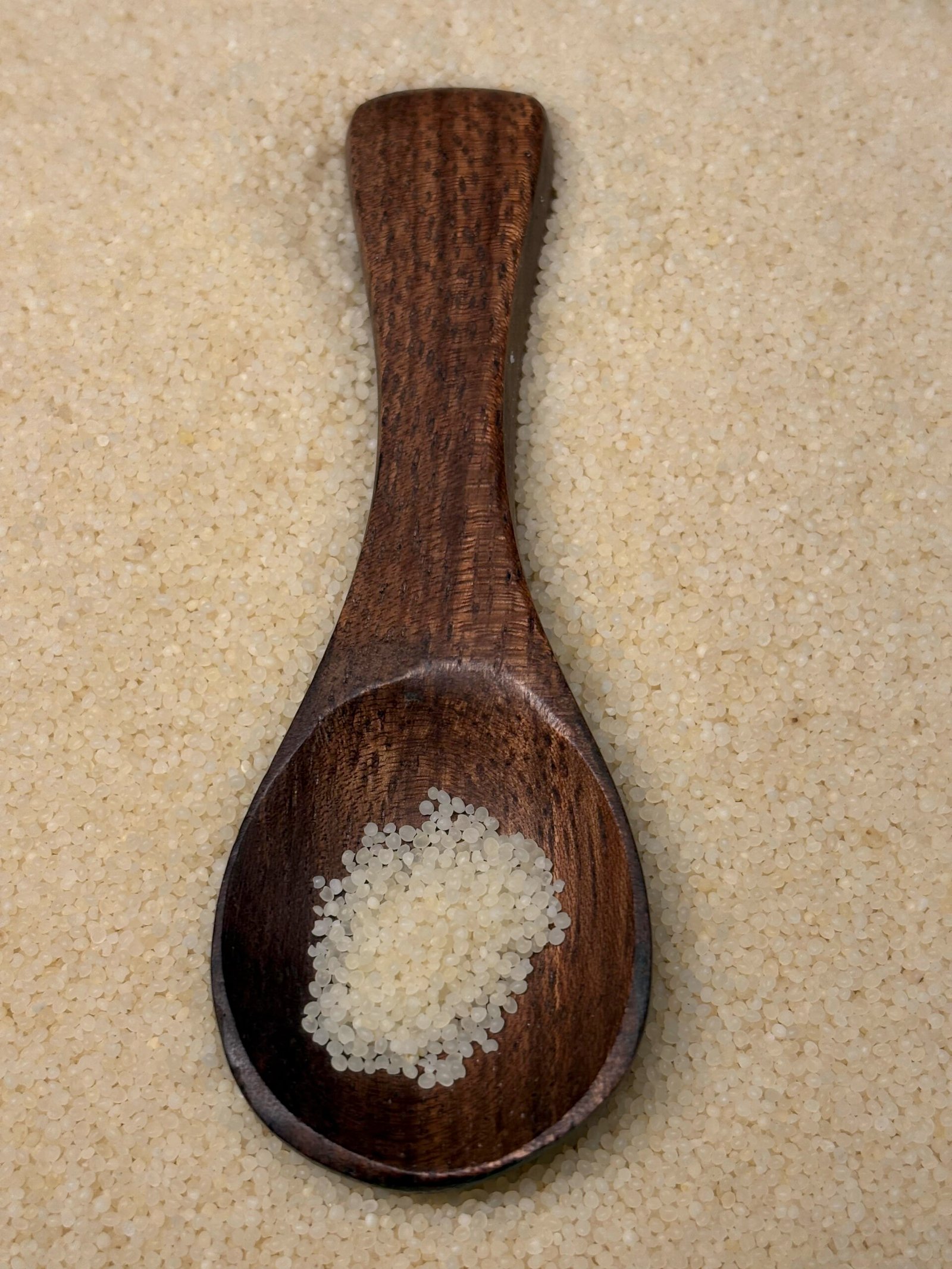
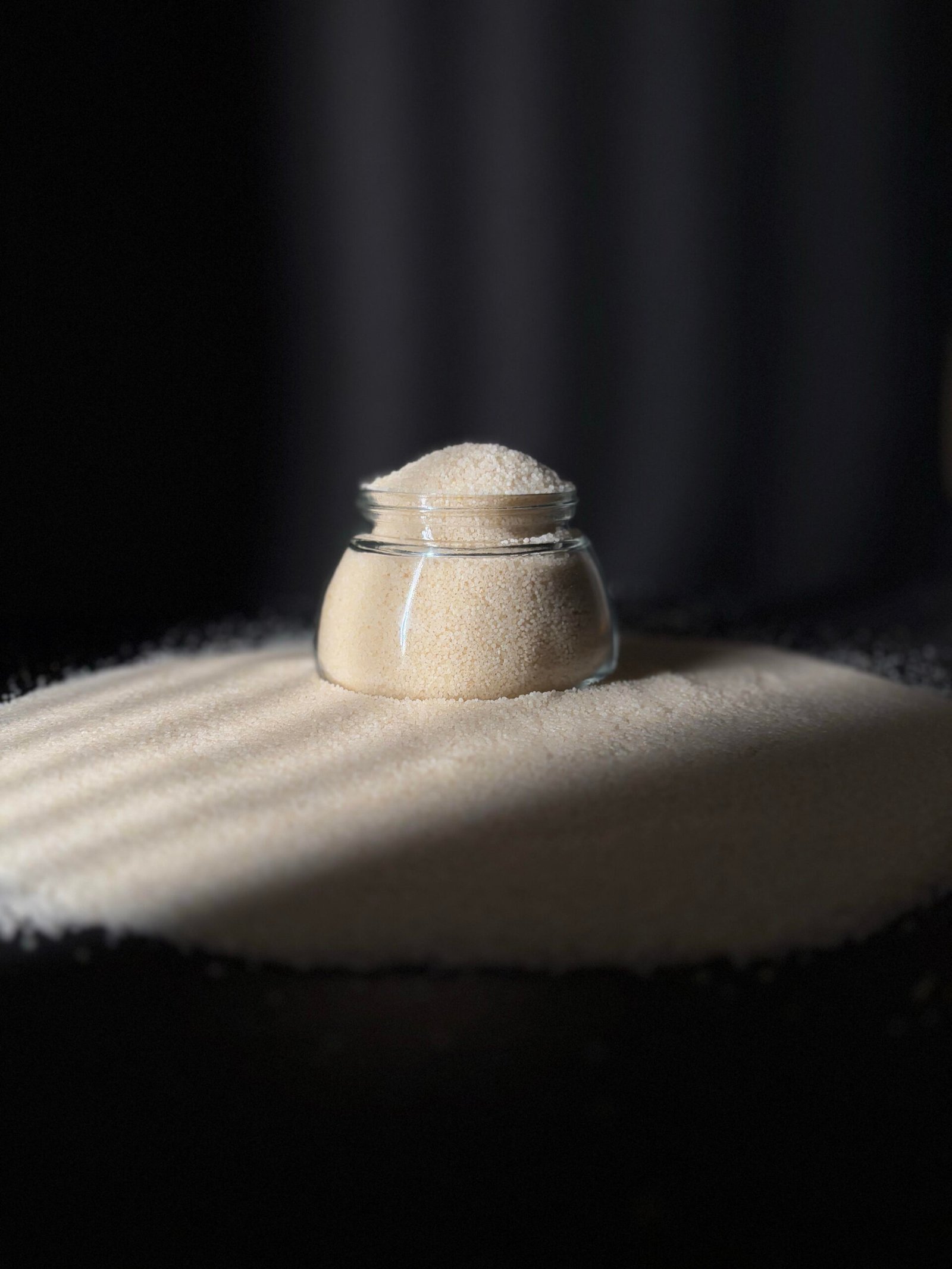
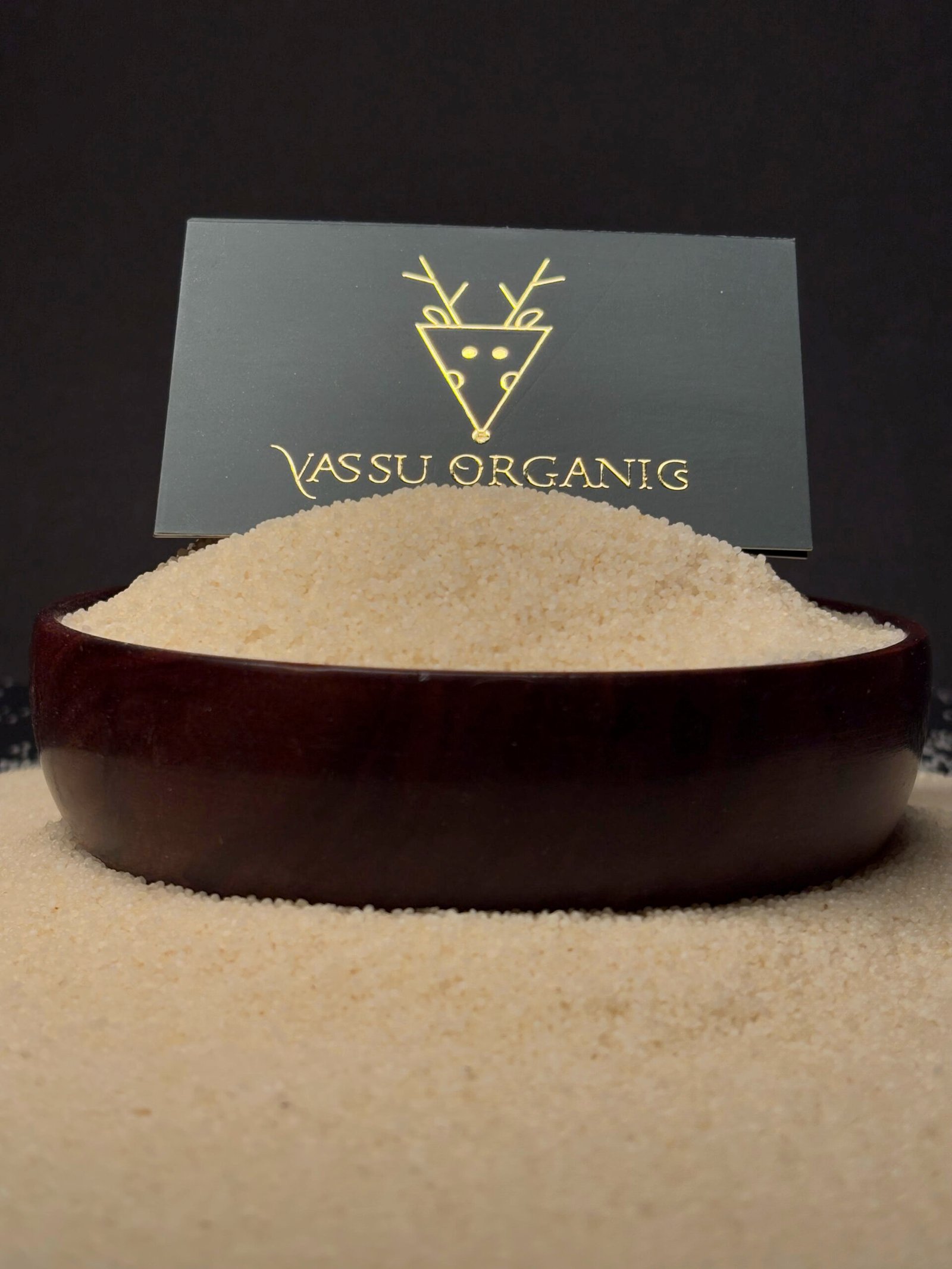
Amaranth, a nutritious ancient grain, is a good source of protein, fiber, iron, and other essential nutrients, and is gluten-free. It’s also a good source of minerals like manganese, magnesium, phosphorus, and iron.
Nutritional Value:
Amaranth is one of the richest plant forms of protein available. The protein is easily absorbed by the body and contains all amino acids — even lysine, which is often missing from cereal grains. Studies show that in the plant kingdom, amaranth proteins are among the most similar to animal proteins.
Amaranth plants are classified as pseudocereals that are grown for their edible starchy seeds, but they are not in the same botanical family as true cereals, such as wheat and rice. Amaranth species that are still used as a grain are Amaranthus caudatus L., Amaranthus cruentus L., and Amaranthus hypochondriacus L.
Rich in protein and fiber.
Good source of iron, magnesium, phosphorus, and manganese.
Contains essential amino acids.
Gluten-free.
Low in sodium and fat.
May enhance bone strength.
May lower blood cholesterol levels.
May improve digestion.
May promote hair growth.
May reduce inflammation.
May help prevent anemia.
Can be used whole or ground into flour.
Cooks similarly to rice.
Can be used in soups, stews, chili, or as a rice substitute.
Also known as Rajgira, Seel, or Ramdana in India.
Nutrient
Amount per 100 g (3.5 oz)
Energy
1,554 kJ (371 kcal)
Carbohydrate
65 g
Sugar
1.7 g
Dietary Fiber
7 g
Fat
7 g
Protein
14 g
Name
Specification
Product Type
Millets
Style
Dried
Grade
A
Certification
FOSCOS, APEDA, MSMS
Country of Origin
India
Stone, Metal, Glasses
Absent
Purity
99.95% Maximum
Foreign Material
0.1% Maximum
Broken Grain
1 to 2%
Pests
Nil
Salmonella
Absent
Packing
As per client requirement
Brand Name
As per client requirement
Grain Color
Natural
Grain Taste
Characteristic
Appearance
Clean Grain
Smell
Characteristic
Price
On Request
Payment Term
30% Advance, 70% LC
Incoterms
FOB, CIP
Minimum Order Quantity
20ft Container
Average Supply
750 Metric Ton / Per Month
Port of Loading
JNPT, Mumbai, India
While we are working to make our nation healthier, we are committed to doing it sustainably! All Vassu Agri-input products are consciously created keeping the nature in mind, they have low carbon footprints, and minimally impact on ground water table.